Why a Local Bicycle Accident Lawyer Can Strengthen Your Claim
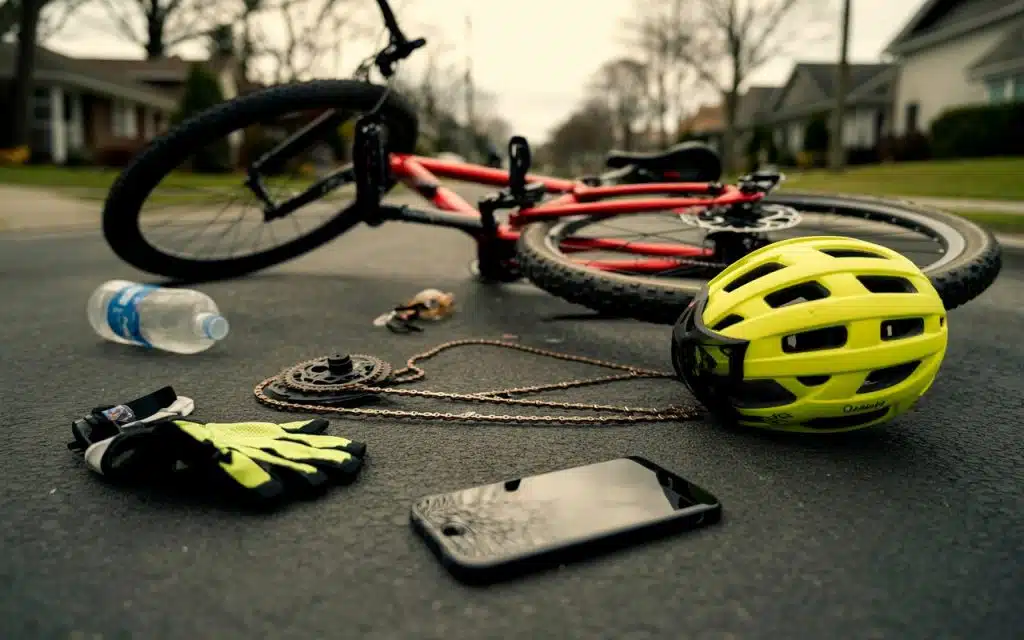
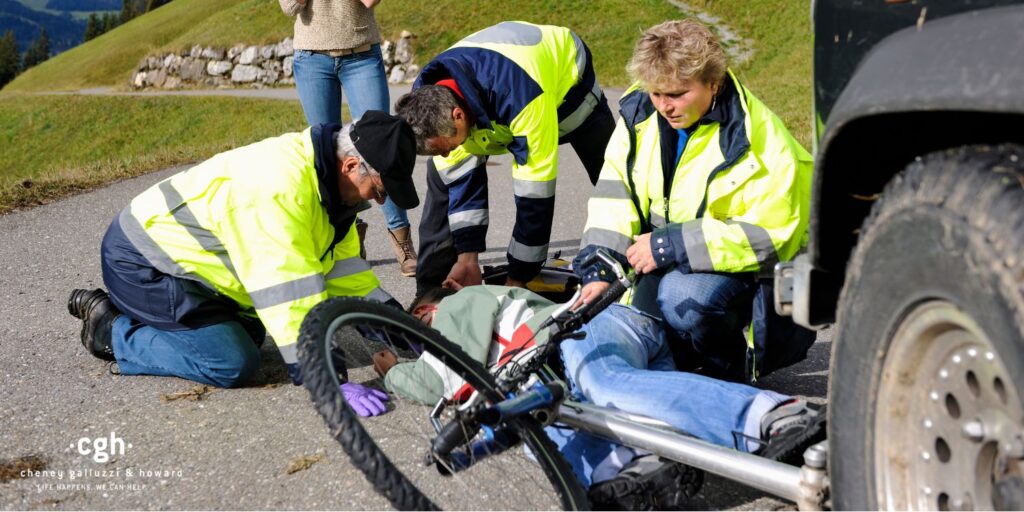

A bicycle crash can turn an ordinary commute or weekend ride into a long, expensive disruption. One moment you are moving through an intersection you have crossed a hundred times, and the next you are dealing with road rash, a fractured wrist, a damaged bike, missed work, and an insurance company that seems eager to close the file before the full picture is clear.
That is where local knowledge starts to matter.
Hiring a lawyer is not only about legal training. In bicycle injury cases, geography often shapes liability, evidence, medical treatment, and the value of the claim. A local Bicycle Accident Lawyer usually understands the roads, the traffic patterns, the court system, the insurers active in the area, and the way local decision-makers view cyclist safety. That practical familiarity can make a measurable difference when the goal is to build a persuasive claim rather than merely file paperwork.
Bicycle cases are rarely as simple as they look
From the outside, a bike crash may seem straightforward. A driver turned right across a bike lane, opened a door into traffic, drifted onto the shoulder, or failed to yield at a crosswalk. Yet once the insurance claim begins, the story often gets complicated in predictable ways.
The driver may insist the cyclist was hard to see. An adjuster may argue the rider was moving too fast, outside the lane, wearing dark clothing, or not using lights. If there is no dashcam footage or neutral witness, the insurer may frame the case as one person’s word against another’s. Even where liability appears obvious, the value of the injury can be contested. Soft tissue injuries, concussions, shoulder damage, and knee trauma are common in bicycle collisions, and some of those injuries do not fully reveal themselves in the first week.
A local Bicycle Accident Lawyer often recognizes these patterns immediately because they have seen the same defenses before. They know which intersections produce repeat collisions, which police reports tend to omit cyclist detail, and which hospitals or clinics in the area are most familiar with documenting bike-related trauma. That familiarity can shorten the learning curve at the exact moment https://arthurcwjw537.almoheet-travel.com/bicycle-accident-lawyer-tips-for-preserving-key-evidence when timing matters.
Local knowledge changes how evidence is gathered
Evidence in bicycle claims has a short shelf life. Skid marks fade. Security footage is overwritten. Witnesses forget details. Road conditions change after a rainstorm or road crew repair. A lawyer who works in the same city or county can often move faster and more intelligently than someone parachuting in from outside the region.
Consider a rider struck near a downtown delivery zone. A local attorney may already know that nearby businesses commonly use exterior cameras, that city buses on that route carry video, or that a parking garage across the street keeps footage for only a few days. They may know the intersection has a signal timing issue or a sightline problem caused by curbside parking. Those are not abstract legal concepts. They are practical facts that can prove who had the right of way and whether the driver’s account makes sense.
The same is true in suburban and rural cases. A local lawyer may understand whether a shoulder narrows unexpectedly, whether cyclists commonly use a particular county road, or whether a stretch of pavement has a known history of poor maintenance. If a municipality or contractor could share fault because of road design, debris, potholes, or missing signage, that issue needs to be spotted early. Claims against public entities can involve shorter notice deadlines and stricter procedures than ordinary injury claims.
This is one of the less appreciated advantages of hiring close to home. Strong cases are often built on local detail, not broad legal theory.
Familiarity with local traffic culture matters more than people expect
Every region has its own driving habits. In some cities, drivers are used to protected bike lanes and regularly watch for cyclists at intersections. In others, riders face aggressive passing, poor lane discipline, and routine hostility. Those realities influence how a claim is investigated and argued.
A local Bicycle Accident Lawyer knows the traffic culture jurors and adjusters live with every day. That matters because personal injury claims are, at bottom, stories about reasonable behavior. Was the rider where cyclists are expected to be? Was the driver acting the way a careful local motorist should act on that road? Did the collision happen in an area where bike traffic is common and foreseeable?
Imagine two otherwise similar crashes. In one, a cyclist is hit while traveling through a well-marked urban corridor with painted lanes, bike boxes, and heavy commuter use. In the other, the crash occurs on a narrow exurban road with almost no shoulder and mixed expectations about bicycle traffic. The legal rules may be similar, but the way fault is framed can be very different. A local lawyer understands how to present the rider’s conduct in a way that fits community experience rather than fighting against it.
That can be especially important when the defense leans on subtle bias. Many cyclists have heard some version of the same refrain after a crash: “Why were you riding there?” A lawyer with local courtroom and negotiation experience is often better positioned to dismantle that bias with concrete facts, local ordinances, road design evidence, and witness testimony.
Medical proof is stronger when it reflects the real progression of injury
Bicycle crashes produce a distinctive mix of injuries. Broken collarbones, scaphoid fractures, rotator cuff tears, facial fractures, road rash with risk of infection, dental trauma, and mild traumatic brain injuries appear often. Some riders walk away from the scene and only later realize they are dealing with a concussion, a labral tear, or nerve symptoms in the hands.
Insurers know this. They also know many injured cyclists delay treatment because they are active, stubborn, or worried about cost. A local lawyer can help connect the client with appropriate follow-up care and make sure the injury record reflects what actually happened over time. That is not about inflating a claim. It is about preventing a common problem: a serious injury being undervalued because the documentation is thin or fragmented.
A local attorney may know which orthopedic practices in the area have experience with cycling injuries, which physical therapists are particularly good with return-to-sport recovery, and how nearby trauma centers document initial presentations. When treatment happens across multiple providers, someone has to organize records, imaging, work restrictions, and prognosis into a coherent damages narrative. If that work is done well, the claim becomes harder to dismiss as routine.
There is also a practical trust factor. Clients tend to meet more easily with a lawyer who is nearby. They can bring photos of the bike, helmet, and torn clothing. The lawyer can inspect the route, visit the scene, or arrange an in-person meeting when memory is fresh. Those details may seem small, but they often produce the facts that end up anchoring the claim.
Local court experience shapes negotiation leverage
Most injury cases settle, but settlement value is influenced by what would happen if the case did not settle. Insurance companies and defense counsel make that calculation constantly. They assess the venue, the judge, the local jury pool, and the plaintiff’s lawyer. A local attorney who regularly handles injury matters in the same courts may bring a form of leverage that is hard to replicate from outside the area.
That leverage is not about theatrics. It comes from credibility and familiarity. Opposing counsel may know that the lawyer actually prepares cases for trial, understands local motion practice, and can present a bicycle injury case in a way that resonates with local jurors. Adjusters may know which lawyers accept low offers and which ones develop records carefully enough to make underpayment risky.
In practical terms, that can affect the tone and timing of negotiations. An insurer may treat a demand letter from a respected local Bicycle Accident Lawyer differently because the threat of litigation feels immediate and real. The defense knows the attorney can file promptly, navigate the venue efficiently, and push the case forward without wasting months learning local procedure.
For an injured cyclist, that may translate into a stronger offer or a faster path to fair resolution.
A local lawyer is often better at spotting all possible sources of recovery
One of the most common mistakes in bicycle claims is assuming the only target is the driver who hit the rider. Sometimes that is true. Often it is not.
There may be additional insurance through an employer if the driver was working at the time. A commercial vehicle policy may apply. A rideshare question may exist. A property owner might bear responsibility if poor visibility, obstructed signage, or a dangerous exit contributed to the crash. Another driver may have caused the sequence without making contact. The cyclist’s own auto policy may include uninsured or underinsured motorist coverage in some jurisdictions, even though the injured person was on a bike.
Local attorneys are often well positioned to identify these angles because they know the players in the region. They know which delivery fleets operate downtown, which construction projects have generated hazardous detours, and how local insurers respond to bike collision claims. They may even recognize recurring fact patterns, such as restaurant delivery traffic blocking bike lanes or commuter corridors with repeat right-hook crashes during evening rush hour.
That broader perspective can matter enormously when injuries are significant. A broken leg that requires surgery, months off work, and long-term limitations can quickly outstrip a minimum policy. If there is another viable source of coverage, finding it early may be the difference between a meaningful recovery and a deeply inadequate one.
The value of a claim depends on more than emergency room bills
Cyclists sometimes underestimate their own damages. They focus on the hospital visit and the repair or replacement cost of the bike, then accept an offer before understanding the wider loss. A seasoned local lawyer usually takes a broader view.
A proper claim may include lost earnings, reduced future work capacity, physical therapy, follow-up care, medication, cosmetic scarring, pain, and the impact on daily life. For serious riders, there is also the loss of activity itself. A person who commuted by bike, raced on weekends, or relied on cycling for mental health and transportation may feel the injury in ways that do not show up on a simple medical bill summary.
High-end bicycles and gear add another layer. Carbon frames, wheelsets, electronic shifting systems, bike computers, helmets, cameras, and custom fits are expensive. Insurance adjusters sometimes treat bicycle property damage as if they are pricing a department store bike. A local Bicycle Accident Lawyer who understands cycling can present that loss accurately, using shop evaluations, component values, and replacement cost evidence that reflects the real market.
That does not mean every case becomes high value. Some injuries heal cleanly and some liability disputes remain difficult. But an informed local evaluation tends to be more grounded. It accounts for both the strengths and the limits of the claim.
Timing, access, and communication are practical advantages, not minor ones
People often think of legal representation in abstract terms, but claims are handled through ordinary logistics. Documents need signatures. Clients need updates. Investigators need to inspect crash scenes. Lawyers need to prepare the client for recorded statements, medical exams, or depositions if the case proceeds.
Working with someone local makes much of this easier. If the client cannot drive because of a wrist fracture or concussion symptoms, meeting in person nearby matters. If the bike is still sitting in a garage with visible impact points, a local lawyer can examine it before repairs or disposal erase useful evidence. If the intersection has confusing lane markings, the attorney can go see it at the same time of day the crash occurred and understand the light, traffic flow, and driver sightlines firsthand.
That sort of hands-on work is harder to fake from a distance. It also tends to improve communication. Clients are more likely to ask candid questions when they feel they have a real working relationship, not a call-center experience. In injury cases, that relationship often affects outcomes because the lawyer learns the human details that make the claim credible and complete.
When local is not automatically better
There is a fair caveat here. Local alone is not enough. A lawyer can be nearby and still lack serious experience with bicycle injury claims. That distinction matters.
Bike cases have quirks that not every car-accident practice handles well. A cyclist’s road position, visibility, speed, lane rights, helmet use, and equipment can all become dispute points. The attorney should understand not just injury law, but how cycling actually works on the street. They should be comfortable reading crash reports critically, dealing with comparative fault arguments, and presenting the rider as a lawful road user rather than an afterthought in a motor vehicle case.
A larger firm from outside the area may sometimes be the right choice if it has deep bicycle litigation experience and the resources to handle a complex catastrophic case. The best answer is not “always hire local.” It is “hire the lawyer whose experience, access, and judgment fit the case,” with local knowledge being a major advantage in many situations.
A few questions usually reveal whether that advantage is real. Ask whether the lawyer has handled bicycle collisions before, whether they know the crash location, whether they foresee any local liability issues, and how they would preserve evidence in the first two weeks. The quality of the answer tells you more than polished marketing ever will.
What a stronger claim actually looks like
A stronger claim is not necessarily louder. It is more precise.
It has a clear liability theory supported by scene evidence, witness statements, photographs, and where available, video. It anticipates the defense argument about rider behavior and addresses it early. It connects medical treatment to the mechanics of the crash. It documents not only bills already incurred, but likely future impact. It identifies every relevant insurance source. It is timed carefully, neither rushed before the injuries stabilize nor delayed so long that leverage erodes.
Local lawyers often build stronger claims because they can connect those pieces in context. They know which facts matter in that county, before that insurer, on that roadway, in front of that court. They are not treating the case as a generic traffic injury. They are treating it as a bicycle crash that happened in a real place with its own rules, habits, and institutions.
That local fluency can be especially powerful in disputed-fault cases. If a driver says the cyclist “came out of nowhere,” a lawyer who knows the protected lane layout, the signal sequence, and the common vehicle turning pattern at that junction can dismantle that statement with specifics. If the insurer downplays injuries because the rider declined ambulance transport, a lawyer familiar with local cycling culture may explain why riders often assess themselves poorly at the scene and seek care later when symptoms worsen. Context turns apparent weaknesses into understandable facts.
Why proximity can translate into better outcomes
For most injured cyclists, the legal process feels foreign. They are dealing with pain, transportation problems, work disruption, and a level of paperwork they did not expect. A capable local attorney can reduce that burden while also improving the quality of the claim.
The improvement comes from several places at once: faster evidence preservation, more accurate reading of local roads and traffic behavior, stronger coordination of medical proof, greater leverage with nearby insurers and defense counsel, and a more complete understanding of where compensation may come from. None of those factors guarantees a result. Together, they often change the trajectory of the case.
When a bicycle crash causes more than a scraped knee and a bent wheel, details matter. Where it happened matters. Who handles it matters. And a local Bicycle Accident Lawyer, particularly one who truly understands cyclist claims, can bring an advantage that is both strategic and practical, from the first phone call through final resolution.
CGH Injury Lawyers
2701 Lawrence St Suite 201
Denver, CO 80205, United States
Phone: +1 720-669-8062
FAQ About Bicycle Accident Lawyer
Who is at fault if a car hits a bicycle?
Fault depends on the evidence and the traffic rules that applied to the collision. A driver, cyclist, or another party may share responsibility. Police reports, witness accounts, video, and the physical evidence can help establish what happened. A collision with a car does not automatically determine legal fault.
Can you sue someone for hitting you on a bike?
You may have a claim when another person's negligent conduct causes your injuries and losses. The available evidence, applicable deadlines, insurance coverage, and any shared fault affect your options. A lawyer can review the circumstances and explain whether an insurance claim or lawsuit is appropriate; compensation is not guaranteed.
What percentage does an injury lawyer usually take?
There is no single percentage that applies to every injury case. Many lawyers use a contingency fee based on a share of the recovery, with the terms stated in a written agreement. Ask how the percentage is calculated, whether it changes during litigation, and how case expenses are handled before signing.